
Inside: Here are 7 best activities for special needs children this summer.
Have you planned your summer with your special needs child?
Planning summer activities for kids with special needs can feel a little daunting at first, but it’s actually a great chance to create some really fun and rewarding memories.
Summer is full of opportunities for play, exploration, and learning that don’t need to be stressful or complicated. I’ve put together this guide with activities and tips that have worked well for our family and other parents I know; hopefully, it’ll give you some fresh ideas for an awesome summer together.
Why Summer Activities Matter for Kids with Special Needs
Keeping kids engaged during the summer isn’t just about filling the time; it’s about giving them experiences that help with development, social skills, and confidence.
Children with special needs can really benefit from structured and unstructured activities, but it’s important to make sure these activities are tailored to fit their comfort and abilities. A little planning goes a long way, and focusing on strengths rather than challenges always leaves everyone feeling more successful.
Summer is usually less structured than the school year, so it’s the perfect time to try new routines or explore interests your child might not get to during the school year. You’ll find that even small changes, like an outdoor picnic or a trip to a local park at a quiet time, can feel exciting and fresh.
Taking the time to pick activities suited to your child’s needs can make summer a lot more enjoyable and less stressful.
Seven Summer Activities for Kids with Special Needs
Every child is different, so activities might need a little tweaking to fit what works best for your family. Here are seven activities that can be adapted for many types of special needs and are pretty popular among families I know:
- Water Play at Home: Setting up a small kiddie pool, sprinklers, or water table is an easy way to keep cool and have fun. Water play is super helpful for sensory needs; it’s soothing, and kids can control how much or little they’re involved. I usually keep towels and extra clothes nearby so everyone can jump in or out whenever they want. If you don’t have a backyard, even playing with bowls of water or ice cubes on the patio or in the kitchen can provide lots of tactile fun and learning.
- Nature Walks and Scavenger Hunts: Parks and nature trails are perfect for exploring at your own pace. Choose paths that are stroller or wheelchair friendly if needed. A scavenger hunt with items like “find something soft” or “listen for a bird” works well for kids who might need more structure. The quests can be as simple or detailed as you like—try using photos instead of words, or have siblings or friends partner up to find things together.
- Craft Time Outside: Bring art supplies to your backyard or a park. Fingerpainting, sidewalk chalk, or nature crafts (like gluing leaves to paper) are fun and double as sensory play. It’s more about the experience than the end product, so don’t stress about messes! If your child enjoys a specific type of craft, such as bracelet making or simple clay sculpting, tailoring the activity to their passion can keep them engaged even longer.
- Music and Movement: Outdoor music sessions can be as simple as a Bluetooth speaker and some favorite songs. Try easy dances, hand clapping, or follow the leader games. Movement breaks are super helpful for kids who need to get the wiggles out or find transitions tricky. Bringing simple instruments like shakers or drums into the mix can add more layers of interaction.
- Simple Gardening: Planting seeds in pots or digging in the dirt is grounding for many kids and teaches responsibility with very little pressure. Herb gardens or sunflowers are pretty easy options if you haven’t gardened before. Gardening can also become a sensory exploration—feeling dirt, watching growth, and smelling plants creates a multi-sensory experience right at home. Butterfly watching or catching can be added fun, if there are butterflies around.
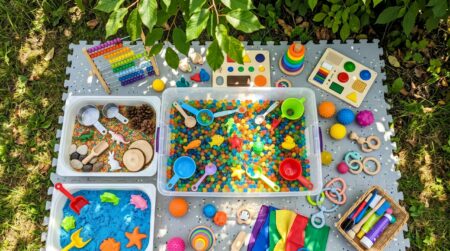
- Sensory Bins: Fill a bin with rice, pasta, or sand, and add small toys or scoops. You can take these outside to simplify the mess. Sensory bins encourage exploration and can calm kids who are overstimulated or just need some downtime. Adding tools like funnels, sifters, or tongs offers more options for curious hands.
- Adaptive Sports or Group Activities: Check out organizations that offer inclusive swim lessons, dance lessons, or simple ball games. In our neighborhood, there’s always soccer for younger kids. If your special kid has challenges joining a group activity, a family ( or extended family ) activity could be adapted. Swimming with family in the local swim area or just playing ball in the neighboring school ground can be fun!
Related post: How to Prepare for Camping with a Special Child
Prepping for Activities: What to Keep in Mind
There’s a lot to think about when you’re getting ready for summer outings or even activities in your own backyard. Here are a few things I always try to remember:
- Physical Accessibility: Venues should be easy to get around with wheelchairs or strollers, and parks often have inclusive play structures. Calling ahead or checking online reviews can save you a trip if you’re not sure. Some local parks now post accessibility information on their websites to make it easier for families to plan visits.
- Safety: Sunblock, hats, and lots of hydration are pretty standard, but it’s worth making a checklist if your child tends to wander or needs specific supports, like noise canceling headphones or allergy safe snacks. Keep medical or emergency info handy, especially for new locations. It’s a lifesaver to have an emergency contact card in your bag or your child’s pocket.
- Predictability: Visual schedules or social stories help kids know what’s coming next and reduce anxiety, especially for those who thrive on routine. If your child is more comfortable with digital tools, try apps or short videos to explain new activities before heading out.
- Activity Duration: Short sessions with built in breaks let kids participate at their own pace. Sometimes five or ten minutes of engagement can be a win. Stretching activities over several shorter sessions throughout the day can keep energy and interest steady.
- Hunger pangs: Don’t forget to bring snacks like crackers, cookies, and fruits plus juices or water, to the venue. Especially after a strenuous activity, your child will be thirsty and hungry.
Common Challenges and How to Find Your Way Through Them
Even with the best planning, you might bump into some hurdles. I’ve picked up a few strategies to keep things running smoothly.
- Sensory Overload: Outdoor spaces can get noisy or busy. Portable sensory tools like chewable jewelry, fidgets, headphones, or sunglasses are really handy to have in your bag. Sometimes a quiet spot away from the crowd—like under a tree or in a park pavilion—offers a great reset.
- Transitions: Shifting from one activity to another can feel overwhelming. Using timers, giving plenty of notice, or building in a transition ritual (like a favorite song or deep breathing) smooths things out. Having a “transition object,” such as a special bracelet or toy that comes along from place to place, gives kids a sense of security.
- Weather: Hot or rainy days can ruin your outdoor plans. Be ready with a list of indoor options, like indoor obstacle courses, movie afternoons, or baking, which are equally fun. Setting up a tent or blanket fort inside keeps the sense of adventure, even when you can’t go out.
- Group Settings: If your child finds group activities tricky, smaller playdates or one- on- one meetups with friends or classmates can help ease the pressure. Some kids enjoy being part of a crowd if they have a safe “home base,” like a blanket, chair, or favorite toy nearby. You might also pack noise-reducing headphones or plan for short group visits with clear signals for breaks.
Safety and Comfort Tips
Keeping everyone safe and comfortable means being proactive but also going with the flow. Pairing up with another parent for outings, carrying a basic first aid kit, and having an exit strategy all add peace of mind.
Making a quick plan for bathroom needs, snacks, and favorite “reset” activities makes trips a lot easier. I’ve found that prepping kids for what to expect—even using pictures or a little story—can make a big difference.
Bring a favorite stuffed animal or fidget toy if it helps your child settle in new places.
Summer Activities Toolkit: Helpful Supplies and Tips
Certain supplies can make summer adventures easier and less stressful. Keeping these in a small bin or tote bag so you can grab them when you head out the door:
- Sunscreen, hats, and water bottles
- Ear protection for loud places
- Favorite sensory toys or comfort objects
- Extra clothes, towels, and hand wipes
- Simple snacks
- Small first aid kit
- Visual schedule cards or social stories
- Travel games, coloring books, or bubbles for unexpected waiting times
It’s a good idea to check with your kiddo before leaving home, too; sometimes they’ll ask for something you wouldn’t have thought of.
Getting them involved with packing can help with independence and reduce surprises. You might also keep a “calm down” tool kit handy for longer days out, which could include a weighted lap pad or blanket, chewy necklace, or pocket-sized fidget.
Related post: Weighted blanket ( review ) for Autism Meltdown
Make them Simple
Every kid is unique, so the same activity might land differently depending on the day. Here are a couple real-life examples that have brought unexpected joy:
- Backyard Picnics: Sometimes heading to a faraway park is just too much. Setting up a picnic blanket under a tree at home, or just in your backyard, packing a favorite stash of snacks, and bringing out a portable speaker turned a regular lunch into a highlight of the week. Adding a few books or soft toys made it even more relaxing and special.
- Bubbles & Balloons: Both are simple, and I haven’t met a kid who didn’t love popping bubbles or batting a balloon around the yard. They’re budget-friendly and easy to manage indoors or outdoors. You can add in a small prize for popping the most bubbles or use balloons with light-up sticks for evening fun.
- Homemade Obstacle Courses: Old couch cushions, cones, and hoola hoops in the backyard made for an awesome circuit for movement breaks. Adjusting the course for different mobility levels kept everyone engaged. Sometimes we “timed” each other or built in sensory stations (like feeling squishy foam or crawling through a tunnel) for extra excitement.
I always aim for progress, not perfection. Some activities are a hit; some flop. Celebrating the small wins makes it easier to keep things positive for the next adventure.
Every new attempt is another step toward figuring out what your child truly enjoys or finds calming, and that’s a win too.
Just Enjoy Summer!
Summer can be a fantastic time for kids with special needs to try new things, work on skills, and just have fun together as a family.
A flexible approach, some creative planning, and a good sense of humor go a long way. With a little prep, your family can find plenty of ways to make summer memories that everyone will look back on fondly.
Keep things simple when you need to and celebrate every accomplishment—no matter how small. Here’s to a rewarding, sunny season ahead!
What is your favorite summer activity with your special needs child?






This was such a heartwarming post. I really appreciate how you highlighted why summer activities matter so much for kids with special needs. It’s not just about fun, but also about giving them opportunities to explore, grow, and feel included. The ideas you shared, like water play at home, simple gardening, nature walks, and outdoor crafts, are wonderfully practical yet meaningful.
As someone who values routines and outdoor time, I can see how these activities would create lasting memories while also supporting their development. Have you found that kids respond best to structured activities with clear steps, or do they thrive more when the activities are left open-ended and flexible?
Hi Celia,
Thanks for your nice words.
Truly our kids with special needs, just like other children, need activities that would let them explore and be adventurous and inquisitive, aside from just having fun!
With regards to which kind of play they will respond more, it depends on their mental and physical capacity. You would know as the parent or caregiver if your child can understand simple instructions or even with complex play, if they would be able to accomplish them.
More often, they would benefit from socialization with their friends in the neighborhood or your family, especially if they have young siblings.
Cheers,
Marita
Hi Marita,
This article was simple and precise. You have clearly highlighted the need for the summer activities for the special need kids and the appropriate activities. Thank you very much for sharing this amazing article. This is definitely useful for parents with special need kids because there are not much honest articles to guide parents with special need kids.
Hi Shafna,
Thanks for your nice words.
Indeed, summer is too short that parents and caregivers need to plan well so their special needs kids enjoy and benefit as much.
God bless,
Marita